 Loading... Please wait...


- Home
- SARASOTA RETAIL STORE INVENTORY
- FAT BURNER-ENERGY SUPPLEMENTS
- Raspberry Ketones
Categories
- PROHORMONE SUPPLEMENTS
- Just Arrived
- Gluten Free
- Smoothies
- Accessories
- Amino Acids
- Antioxidants
- Beneficial Oils
- Cellulite Cream
- Creatine
- Cholesterol Reducers
- Detoxification
- Digestive Enzymes
- Energy Booster
- Glutamine
- Immune Booster
- Intra Workout
- Joint Support
- Liver Support
- Meal Replacement
- Mood Enhancer
- Muscle Enhancers
- Natural
- Nitric Oxide
- Oatmeal
- Post Workout
- Pre-Workout
- Protein Bars
- Protein Cookies
- Protein For Women
- Protein Jerky
- Protein Powder
- Protein RTDs
- Protein Shots
- Protein Snacks
- Protein Spread
- Recovery Formula
- Sleep Aids
- Tanning Products
- Testosterone Booster
- Vascular Dilators
- Vitamins and Minerals
- Water Loss
- Weight Gainer
- Weight Loss
- SARASOTA RETAIL STORE INVENTORY
- BCAA SUPPLEMENTS
- CREATINE SUPPLEMENTS
- FAT BURNER-ENERGY SUPPLEMENTS
- GLUTAMINE SUPPLEMENTS
- INTRA-WORKOUT SUPPLEMENTS
- JOINT SUPPORT SUPPLEMENTS
- MASS GAINER SUPPLEMENTS
- NEW SUPPLEMENTS
- POST WORKOUT SUPPLEMENTS
- PRE WORKOUT SUPPLEMENTS
- PROTEIN SUPPLEMENTS
- TESTOSTERONE BOOSTER SUPPLEMENTS
- VITAMINS-MINERALS SUPPLEMENTS
- AMINO ACID SUPPLEMENTS
Similar Supplements
-
 L-Carnitine plus Raspberry Ketones
$27.99$20.95 -
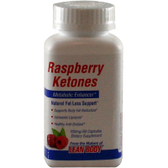 Labrada Raspberry Ketones 60 ct 100 mg
$18.99$12.34 -
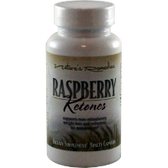 Natures Remedies: Raspberry Ketones 90ct
$19.99$17.19 -
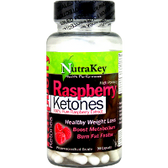 NutraKey: Raspberry Ketones 90 capsules
$28.99$12.95 -
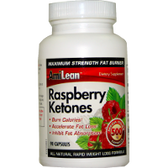 Ideal: Amilean Raspberry Ketones 90 caps
$39.99$26.95

Raspberry Ketones

Hover over image to zoom


Labrada Nutrition

)
Description
Available size: 60 servings (60 ct) capsules
Benefits:
- Stimulates Fat Loss
- Inhibits Fat Absorption
- Increases Fat Burning (Fat Oxidation)
- 30 Day Supply - 60 Capsules
Raspberry ketones are phenolic compounds (a class of natural substances found in plants) derived from red raspberries. Raspberry ketones are responsible for the distinct aroma of raspberries, and are commonly used as a fragrance and/or food flavoring. When taken as a dietary supplement, raspberry ketones, Dr. Oz suggests, has been shown to increase fat loss through a number of different pathways.
What are Raspberry Ketones?
Raspberry has been used throughout the centuries for nutritional and medicinal purposes. Like its popular relatives, the strawberry and blueberry, raspberry contains an abundance of health promoting substances. The unique fragrance and flavor of raspberry comes from raspberry ketone (also known as 4-(4-hydroxyphenyl) butan-2-one) 1, which is unique to a raspberry, and is widely used as a fragrance in cosmetics and as a flavoring agent in foodstuffs 2.
Raspberry Ketones for Fat Loss
Studies have shown that raspberry ketones hold promise for fat loss. In one study mice were fed a calorie rich high-fat diet supplemented with raspberry ketones. After 10 weeks it was shown that the raspberry ketone supplementation prevented both subcutaneous and abdominal (visceral) fat gain, and also protected against development of fatty liver 3. These anti-obesity effects are beneficial, since abdominal fat (the type of fat that causes protruding bellies even in otherwise "skinny" people) is strongly associated with obesity-related complications like the metabolic syndrome, Type 2 diabetes and coronary artery disease, even in the absence of classical risk factors 4,5. The association between abdominal adiposity and accelerated atherosclerosis has been shown to be independent of age, overall obesity or the amount of subcutaneous fat 5. Thus, raspberry ketones can help you get in better shape and improve your health.
How Do They Work?
Raspberry ketones appear to stimulate fat loss several ways:
1. Increasing liberation of fat from fat stores (a process called lipolysis) 3,6.
2. Enhancing energy expenditure by activating thermogenesis (heat production) in brown adipose tissue (also known as BAT, see below) 3.
3. Increasing fat burning (fat oxidation) 3,6.
4. Increasing levels of the hormone adiponectin 6.
5. Suppress fat synthesis from fructose (sugar) overfeeding 3, and inhibit fat accumulation 6.
6. Inhibit fat absorption 3.
The effect of raspberry ketones on BAT and adiponectin are especially interesting.
BAT - Brown Adipose Tissue
Brown Adipose Tissue, also known as BAT, is a special type of fat tissue that produces heat instead of storing fat7. It was previously thought that BAT was only present in significant amounts in rodent, and infants 8. However, recently has been shown that even adult humans have metabolically active BAT depots 9,10, that can be induced and stimulated7. This has put BAT in the spotlight of obesity research 8-11; thus, we are most likely going to hear a lot about BAT -in the near future. Bearing this in mind, it is interesting that raspberry ketones stimulate BAT induced increases in energy expenditure. The more you can increase your ability to burn off excess calories (by raising your energy expenditure), the better are your odds of shedding those unwanted pounds of fat.
Adiponectin - the fat cell hormone
Fat cells are often regarded as calorie storing depots. However, fat cells also secrete several substances hormones, both good and bad (depending on the location of the fat depots) 12-17. One of the good hormones secreted from fat cells is adiponectin 18-21. Adiponectin is a relatively newly discovered adipose tissue derived hormone that circulates in the blood at high levels 22, and has multiple health promoting effects.
Adiponectin enhances insulin sensitivity, lowers blood glucose (blood sugar) and reduces triglyceride levels 22-24, in addition to boosting fat burning 25. Apart from its anti-diabetic, anti-hypertensive and anti-atherogenic properties, recent studies have revealed that adiponectin also has anti-inflammatory and anti-cancer functions 19-21,26,27. Actually, one mechanism by which abdominal fat causes metabolic and cardiovascular diseases is via a reduction in adiponectin levels 26. Low levels of adiponectin contribute to the development of insulin resistance, type 2 diabetes and cardiovascular diseases in obese or overweight people 18,22. Adiponectin levels are inversely related to the degree of adiposity 23, which means that the lower the adiponectin levels, the more fat we're likely to be carrying around.
It is interesting that exercise, which is well known for all its beneficial health effects, also increases adiponectin levels 28. The importance of adiponectin is further underscored by proposals to make it a biomarker for different health conditions, and a therapeutic target for health promotion interventions 21. It has further been speculated that adiponectin - or interventions that stimulate adiponectin secretion or action - might play a role in the therapeutic armament against disease states associated with insulin resistance, mainly type 2 diabetes mellitus and obesity 29. Thus, the ability of raspberry ketones to increase adiponectin secretion undoubtedly contributes to the anti-obesity and health promoting effect.

Application and Serving Size
Raspberry ketones act via multiple pathways to stimulate fat loss and exert an anti-obesity effect. This distinguishes raspberry ketones from many other fat loss agents, which only act via a single mechanism. Another interesting aspect with raspberry ketones is that some of their mechanisms of action also have direct health promoting effects that reduce the risk for chronic illnesses such as cardiovascular disease, diabetes and the metabolic syndrome.
The supplement can be administered as a capsule, tablet, powder or liquid. The recommended serving is 100 mg twice daily.*
Dr. Oz’s Web site noted that raspberry ketone can be taken 30 minutes before a big meal to help weight loss.
As with any weight loss or weight management program, raspberry ketones should be used in conjunction with proper nutrition and exercise.
* The FDA has not evaluated these statement. This product is not intended to diagnose, treat, cure, or prevent any disease.
References:
- 1 Gallois A. Quantitative evaluation of raspberry ketone using thin-layer chromatography. . Sciences des Aliments. 1982;2(99–106).
- 2 Guichard E. Identification of the flavoured volatile components of the raspberry cultivar lloyd george. Sciences des Aliments. 1982;2(99–106).
- 3 Morimoto C, Satoh Y, Hara M, Inoue S, Tsujita T, Okuda H. Anti-obese action of raspberry ketone. Life sciences. May 27 2005;77(2):194-204.
- 4 Despres JP. Is visceral obesity the cause of the metabolic syndrome? Annals of medicine. 2006;38(1):52-63.
- 5 Hamdy O, Porramatikul S, Al-Ozairi E. Metabolic obesity: the paradox between visceral and subcutaneous fat. Current diabetes reviews. Nov 2006;2(4):367-373.
- 6 Park KS. Raspberry ketone increases both lipolysis and fatty acid oxidation in 3T3-L1 adipocytes. Planta medica. Oct 2010;76(15):1654-1658.
- 7 Fruhbeck G, Becerril S, Sainz N, Garrastachu P, Garcia-Velloso MJ. BAT: a new target for human obesity? Trends in pharmacological sciences. Aug 2009;30(8):387-396.
- 8 Cinti S. The role of brown adipose tissue in human obesity. Nutrition, metabolism, and cardiovascular diseases : NMCD. Dec 2006;16(8):569-574.
- 9 Nedergaard J, Cannon B. The changed metabolic world with human brown adipose tissue: therapeutic visions. Cell metabolism. Apr 7 2010;11(4):268-272.
- 10 Enerback S. Human brown adipose tissue. Cell metabolism. Apr 7 2010;11(4):248-252.
- 11 Tan DX, Manchester LC, Fuentes-Broto L, Paredes SD, Reiter RJ. Significance and application of melatonin in the regulation of brown adipose tissue metabolism: relation to human obesity. Obesity reviews : an official journal of the International Association for the Study of Obesity. Mar 2011;12(3):167-188.
- 12 Guerre-Millo M. Extending the glucose/fatty acid cycle: a glucose/adipose tissue cycle. Biochemical Society transactions. Dec 2003;31(Pt 6):1161-1164.
- 13 Guerre-Millo M. Adipose tissue and adipokines: for better or worse. Diabetes & metabolism. Feb 2004;30(1):13-19.
- 14 Deng Y, Scherer PE. Adipokines as novel biomarkers and regulators of the metabolic syndrome. Annals of the New York Academy of Sciences. Nov 2010;1212:E1-E19.
- 15 Rodriguez-Rodriguez E, Perea JM, Lopez-Sobaler AM, Ortega RM. [Obesity, insulin resistance and increase in adipokines levels: importance of the diet and physical activity]. Nutricion hospitalaria : organo oficial de la Sociedad Espanola de Nutricion Parenteral y Enteral. Jul-Aug 2009;24(4):415-421.
- 16 Dyck DJ. Adipokines as regulators of muscle metabolism and insulin sensitivity. Applied physiology, nutrition, and metabolism = Physiologie appliquee, nutrition et metabolisme. Jun 2009;34(3):396-402.
- 17 Catalan V, Gomez-Ambrosi J, Rodriguez A, Salvador J, Fruhbeck G. Adipokines in the treatment of diabetes mellitus and obesity. Expert opinion on pharmacotherapy. Feb 2009;10(2):239-254.
- 18 Guerre-Millo M. Adiponectin: an update. Diabetes & metabolism. Feb 2008;34(1):12-18.
- 19 Szmitko PE, Teoh H, Stewart DJ, Verma S. Adiponectin and cardiovascular disease: state of the art? American journal of physiology. Heart and circulatory physiology. Apr 2007;292(4):H1655-1663.
- 20 Ziemke F, Mantzoros CS. Adiponectin in insulin resistance: lessons from translational research. The American journal of clinical nutrition. Jan 2010;91(1):258S-261S.
- 21 Shetty S, Kusminski CM, Scherer PE. Adiponectin in health and disease: evaluation of adiponectin-targeted drug development strategies. Trends in pharmacological sciences. May 2009;30(5):234-239.
- 22 Diez JJ, Iglesias P. The role of the novel adipocyte-derived hormone adiponectin in human disease. European journal of endocrinology / European Federation of Endocrine Societies. Mar 2003;148(3):293-300.
- 23 Nedvidkova J, Smitka K, Kopsky V, Hainer V. Adiponectin, an adipocyte-derived protein. Physiological research / Academia Scientiarum Bohemoslovaca. 2005;54(2):133-140.
- 24 Ravussin E. Adiponectin enhances insulin action by decreasing ectopic fat deposition. The pharmacogenomics journal. 2002;2(1):4-7.
- 25 Yoon MJ, Lee GY, Chung JJ, Ahn YH, Hong SH, Kim JB. Adiponectin increases fatty acid oxidation in skeletal muscle cells by sequential activation of AMP-activated protein kinase, p38 mitogen-activated protein kinase, and peroxisome proliferator-activated receptor alpha. Diabetes. Sep 2006;55(9):2562-2570.
- 26 Matsuzawa Y. Establishment of a concept of visceral fat syndrome and discovery of adiponectin. Proceedings of the Japan Academy. Series B, Physical and biological sciences. 2010;86(2):131-141.
- 27 Ouchi N, Walsh K. Adiponectin as an anti-inflammatory factor. Clinica chimica acta; international journal of clinical chemistry. May 1 2007;380(1-2):24-30.
- 28 Simpson KA, Singh MA. Effects of exercise on adiponectin: a systematic review. Obesity (Silver Spring). Feb 2008;16(2):241-256.
- 29 Yamauchi T, Kamon J, Waki H, et al. The fat-derived hormone adiponectin reverses insulin resistance associated with both lipoatrophy and obesity. Nature medicine. Aug 2001;7(8):941-946.
Directions for Labarada Nutrition Raspberry Ketones: Raspberry ketones act via multiple pathways to stimulate fat loss and exert an anti-obesity effect. This distinguishes raspberry ketones from many other fat loss agents, which only act via a single mechanism. Another interesting aspect with raspberry ketones is that some of their mechanisms of action also have direct health promoting effects that reduce the risk for chronic illnesses such as cardiovascular disease, diabetes and the metabolic syndrome. The supplement can be administered as a capsule, tablet, powder or liquid. The recommended serving is 100 mg twice daily.*
Dr. Oz’s Web site noted that raspberry ketone can be taken 30 minutes before a big meal to help weight loss. As with any weight loss or weight management program, raspberry ketones should be used in conjunction with proper nutrition and exercise.
Warnings: This product is intended for human use by healthy physically active individuals. if you are pregnant, lactating, under medical care or using any medications, please consult your physician before using this or any dietary supplement.

Find Similar Supplements by Category
Product Reviews
You Recently Viewed...
